The Native Irish Honey Bee
Protecting Ireland’s dark native honey bee and supporting pollinators throughout County Wicklow.
Part of Ireland’s Natural Heritage
The native Irish honey bee, Apis mellifera mellifera, is also known as the dark native honey bee or European dark bee. It forms an important part of Ireland’s natural heritage and remains a central focus for many Irish beekeepers.
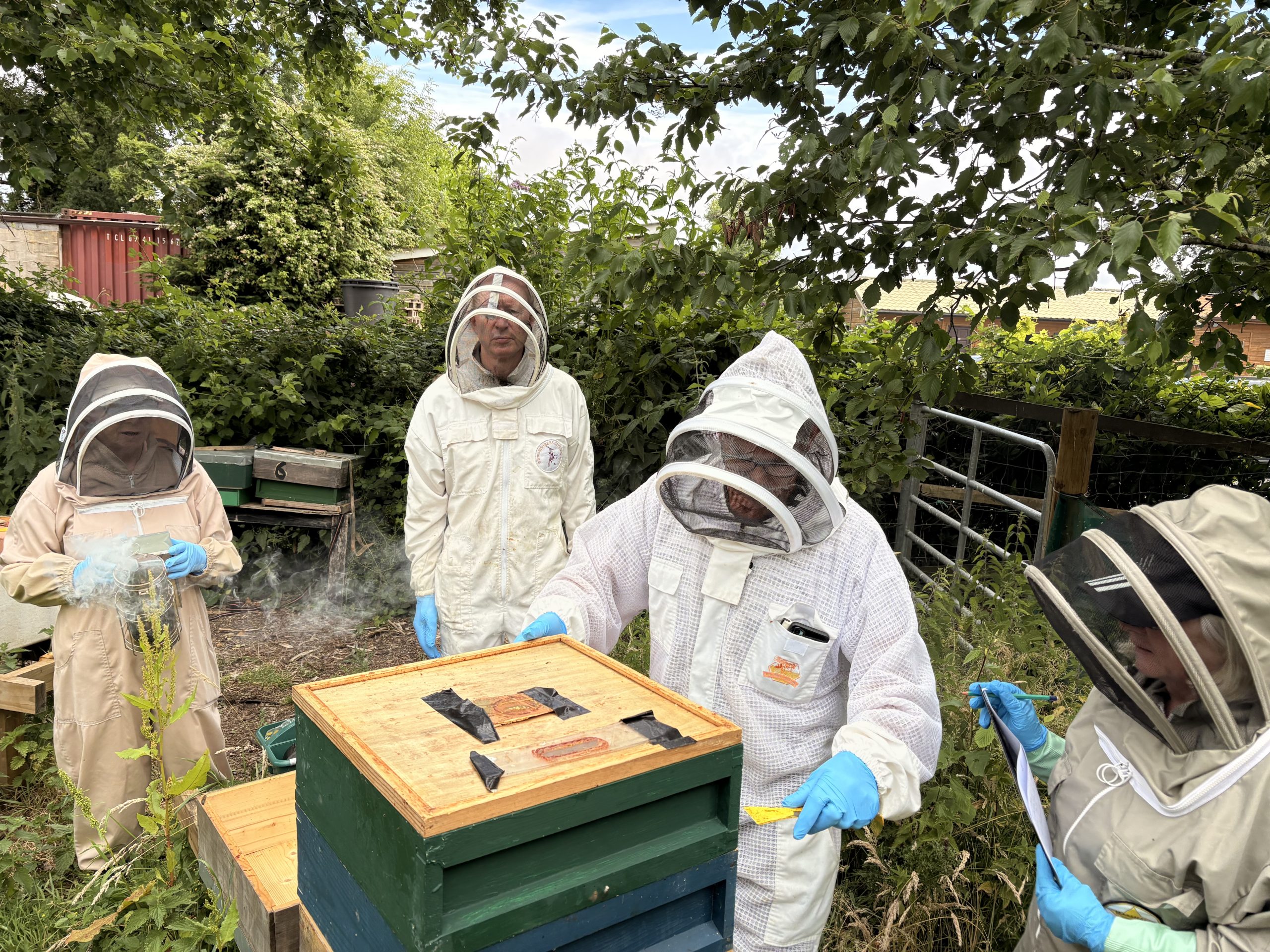
Ashford Beekeeping Association promotes the conservation of our native honey bee through responsible colony management, education, thoughtful breeding choices and respect for local honey bee populations.
Protecting the native Irish honey bee requires patience, cooperation and a long-term commitment to sustainable beekeeping—principles that are central to ABKA’s approach.
Bumblebees and Solitary Bees
Not all bees live in hives or produce honey.
Ireland is also home to many wild bee species, including bumblebees and solitary bees. These bees are essential pollinators and can often be seen visiting garden flowers, hedgerows, meadows, orchards and wild plants.
Bumblebees usually live in small seasonal colonies, often nesting in long grass, banks, walls, compost heaps or sheltered places. Solitary bees do not live in large colonies and many are harmless, gentle and easily overlooked.
Understanding the difference between honey bees, bumblebees, solitary bees and wasps helps people respond appropriately when they find bees in gardens, sheds, walls or public spaces.
Why Bees Matter
Bees are important pollinators. They help many plants reproduce by carrying pollen from flower to flower.
Healthy bee populations support:
- wildflowers and native plants
- fruit trees and garden crops
- hedgerows and meadows
- biodiversity
- wildlife habitats
- local food production
- a healthy natural environment
Protecting bees is not only important for beekeepers. It matters to gardeners, farmers, schools, communities and anyone who values nature.
Helping Bees in Your Garden
You do not need to keep bees to help bees.
Simple actions can make a real difference:
- plant flowers that provide nectar and pollen
- choose plants that flower at different times of year
- allow some grass or wild areas to grow
- protect hedgerows and native plants
- avoid unnecessary pesticide use
- leave some natural nesting places for wild bees
- provide water during dry weather
- learn before disturbing bees or nests
Responsible Beekeeping and Native Bee Conservation
ABKA promotes careful, responsible beekeeping that respects bees, other beekeepers, neighbours and the wider environment.
LEARN
Build your knowledge before getting bees and continue learning throughout the seasons.
CARE
Manage colonies thoughtfully and monitor their health, nutrition and parasite control.
PROTECT
Support native honey bee conservation and avoid unnecessary disturbance to bees and their environment.
SHARE
Exchange knowledge, help other members and approach beekeeping in a friendly and cooperative way.